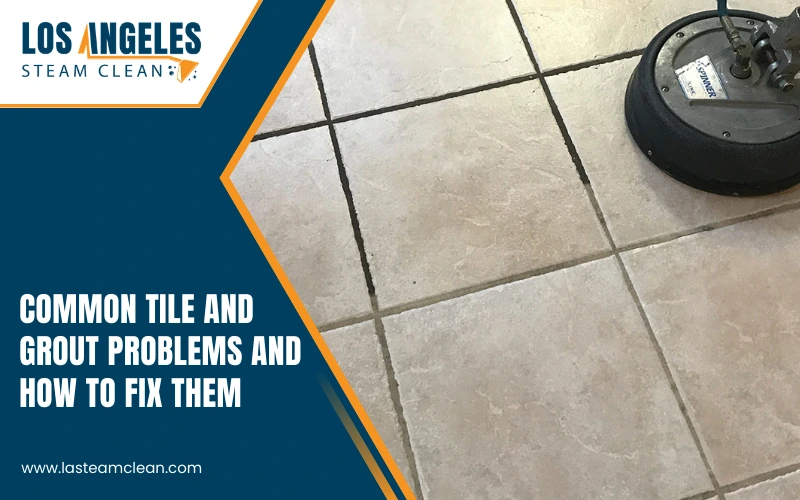
Homeowners take pride in having a strong and good-looking floor, but even the toughest surfaces are prone to wear and tear. Hairline cracks or stubborn stains on the floor make it appear dull and unsafe; houseowners often ignore such issues, inviting a different set of problems, making it crucial to understand common tile and grout problems.
Various factors cause different tile and grout issues in homes. This detailed guide highlights them, explains their effect, suggests tips on how to fix tile and grout problems, and shows the benefits of professional tile and grout restoration.
Understanding Common Tile and Grout Problems and Tips to Fix Them
When tiles feel loose, show discoloration, and grout lines appear cracked or worn down, it indicates that the home’s flooring requires restoration. For a proper implementation of tips for grout or tile restoration, it’s crucial to know the cause and effect of these issues.
Below are some of the common tile and grout problems that you encounter in your household, alongside their causes and effects, followed by tips to deal with them:
1. Cracks and Scraps
Cracks and scraps of tile and grout deteriorate the floor condition. Tiles crack, and grout lines split, exposing the surface to moisture, which extends the damage.
Cause & Effect
- Heavy objects dropping on the floor form scraps of tiles, while increasing stress on grout joints. As a result, there are missing tile pieces and cracked grout lines.
- Sharp edges from tile fragments and gaps in grout make floor usage risky.
- Uneven leveling of tiles and grout compromises floor stability, making it fragile.
Tips for eliminating cracks and scraps:
- Fill small scraps with epoxy to shine the surface
- If there are larger cracks, replace the tile
- Use a grout saw to eliminate loose sections
- Clear the joint and apply fresh grout
- Seal the grout to protect it from moisture and stains
Scope: Small cracks can be fixed, but damage extending to more tiles is tough to deal with or replace and requires expert hands.
2. Stains and Discoloration
Stains make floors look dirty, even after a thorough cleaning. A continuous discoloration worsens the appearance.
Cause & Effect
- Grout absorbs spills, and if tiles are unsealed or porous, the spills form deep stains, causing dullness.
- The solutions used to clean tiles leave scratch marks and cause discoloration.
- Lack of periodic sealing allows moisture to penetrate the tile floor, which eventually leads to a stubborn stain and major discoloration.
Tips to prevent stains and discoloration:
- Check if stains are surface-level or deep-set, and recognize the discoloration
- Dab the area with warm water to reduce dirt
- Scrub grout and tile with a baking soda paste or hydrogen peroxide solution
- Rinse and reseal to prevent future staining
Scope: Works for mild stains and discoloration; deep or extreme discoloration will require professional cleaning.
3. Mold and Moisture
Excessive moisture in grout and tiles inflicts severe damage, also allowing mold growth. Once water or spills enter the tile through grout lines or cracks, the flooring system is at risk.
Cause & Effect
- Cracked grout and loose tiles allow water get under the surface, saturating the substrate and weakening adhesive bonds.
- Constant dampness enables mold and mildew growth, releasing foul odors, and bad black spots appear along grout lines.
- Once moisture spreads across the flooring area, it destabilizes tiles, creating long-term health and safety risks.
Tips for preventing mold in grout:
- Clean visible mold with a mild vinegar-water solution
- Rinse and reseal grout to block moisture growth
- Improve ventilation in kitchens and bathrooms to lower dampness
Scope: Removes surface mold and helps prevent moisture growth, but temporarily. A thorough treatment is required by a technician for long-term results.
4. Loose and Hollow Surfaces
A hollow or loose sound floor is a warning sign that both tile and grout are failing. The issue often arises when grout lines break down or moisture settles deep beneath the flooring.
Cause & Effect
- Tiles are poorly installed or have uneven adhesive coverage, causing them to detach and generate a hollow sound.
- Moisture below the surface breaks grout and adhesive, loosening tiles, forming wider gaps between joints, and causing overall floor failure.
Tips for resetting hollow tiles:
- Tap gently on tiles to confirm hollowness
- Lift the affected tile, and clean the substrate
- Apply glue and firmly reset the tile
- Reseal grout lines after fixing the tile
Scope: Single tile resetting is feasible, but multiple loose areas with moisture issues or deeper tile installation needs a professional cleaner.
5. White Residue (Efflorescence)
Efflorescence is a white, powdery, or crystalline deposit of water-soluble salts that appears on the grout, suggesting that water is passing through the flooring system and carrying salts to the surface.
Cause & Effect
- Moisture passing through grout lures salts upward, leaving a chalky white substance that dulls the floor’s appearance.
- Repeated deposits indicate continuous water movement below tiles, weakening adhesive and grout strength.
- If untreated, the hidden moisture can compromise the entire flooring system.
Tips to remove white residue:
- Clean with a mild vinegar-water mix
- Rinse thoroughly, and improve ventilation to lower moisture buildup
- Reseal grout to minimize the recurrence of residue
Scope: Removes surface residue, but stubborn efflorescence suggests hidden water problems that need professional attention.
Benefits of Professional Tile and Grout Cleaning
You saw the common tile and grout problems, their causes, and effects, along with the tips to resolve them. However, you may have observed that the scope of DIY methods is limited, as it requires specific tools and materials.
Also, extensive wear is beyond self-restoration and is best left for professionals. Below are some of the advantages of professional grout and tile cleaning:
- Professionals deep-clean grout pores and remove stains using emulsifier-based agents combined with high heat and pressure.
- They inspect the area, fix leaks, and improve ventilation to control moisture and prevent mold growth.
- A precise diagnosis of water migration and a proper sealing technique are used to stop recurring white residues.
- Technicians thoroughly reseal joints, stabilize tiles, and improve the durability of the flooring.
- Safe methods are applied for ceramic porcelain, natural stone, and specialty tiles, avoiding damage from harsh DIY chemicals.
- Pros save you time and effort by preventing repeated self-cleaning cycles and long‑term costs.
- Technicians give tile and grout maintenance tips, but sometimes also provide additional insights, such as common carpet cleaning mistakes to avoid or how often to clean carpets for better cleanliness.
Allow Pros to Fix Your Grout and Tile Problems for a Refreshed Flooring
Resolving common tile and grout problems feels easy until the issues reappear. The DIY methods have a limited scope, and for better results, it’s best to opt for professional tile and grout cleaning services.
At Los Angeles Steam Clean, we use specialized equipment to extract dirt from deep within the pores of grout. Once our experienced technicians apply safe cleaning and restoration methods, your floors appear cleaner than ever and last longer.
Call us now to extend the life of your tile and restore that original freshness.
FAQs
How much does tile restoration cost?
Tile and grout restoration costs range from $3 to $25 per square foot based on factors such as tile type (ceramic vs. natural stone), grout condition, and labor rates.
What should you not clean grout with?
Avoid cleaning grout with harsh acids, bleach, or oil‑based products. They deteriorate grout and damage tile surfaces. Consider using grout discoloration solutions for restoring tile appearance.
Can I put new grout on top of old grout?
Yes, it is possible to apply new grout over old one, but only if it exhibits minor wear or discoloration. If it’s cracked, crumbling, or loosening tile, they need to be removed properly so a new layer can bond with the tiles for long-term stability.
How often should you regrout tile?
Typically, you don’t need to regrout on a fixed schedule, as they can last for decades if maintained properly. However, you’ll need to consider it when there is substantial cracking, discoloration, or loose tile.