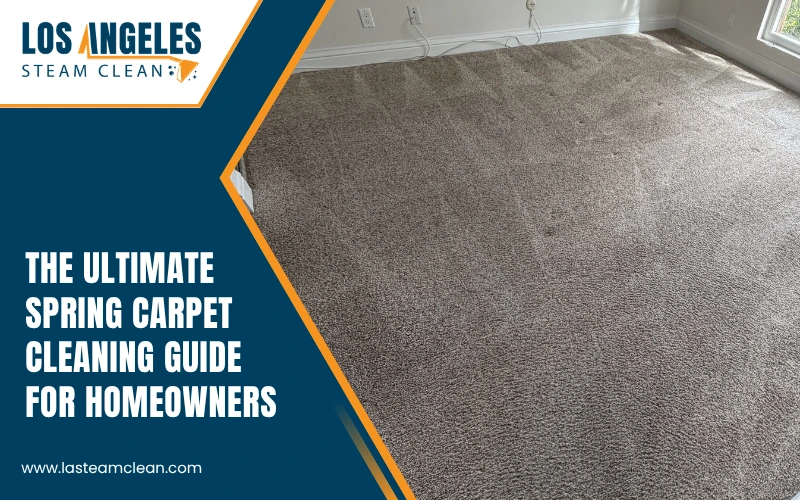
As winter fades and spring blossoms arrive, homeowners gear up for household cleaning. While doing so, they also look for a spring carpet cleaning guide, as winter leaves salt, moisture, and dirt on carpet fabric, which not only makes it look dull but is also not good for one’s health. Offices, large apartment complexes, gyms, and churches also prioritize renewing carpet condition in spring.
We’ve outlined this guide to help you achieve your cleaning objectives before summer sets in. Get helpful tips, details on professional cleaning, a quick comparison with DIY cleaning, followed by insights on cleaning frequency and suggestions for regular maintenance.
Why Spring Carpet Cleaning Matters?
Carpets become a harboring ground for dirt, pet dander, salts, and moisture. By spring, continuous dust accumulation and excessive usage worsen its condition. A spring carpet refresh helps restore the fabric, removing debris, to set up a healthy house environment before summer kicks in.
Benefits of spring carpet cleaning
• Seasonal benefit, mild spring weather facilitates faster drying.
• Health and allergy relief, spring deep cleaning eliminates hidden irritants, mold risks, and pollen dust.
• Better appearance, stains and dullness vanish, and colors look brighter.
• Time convenience, professional carpet cleaning can save time, prevent fiber damage, and deliver reliable results.
DIY Spring Carpet Cleaning Guide: Step-by-Step Execution
To spring reset your carpet, you have several solutions, tools, and methods at your disposal. If you wish to avail maximum benefits, you’ll have to be precise with execution. So, consider the steps mentioned below:
1. Treat Stains First
Gently blot stains with towels to lift moisture and soil, as scrubbing pushes dirt deeper into carpet fibers and makes stains harder to remove. If organic stains like pet accidents or food spills, enzymatic cleaners work best. Apply them and leave them to dwell.
Limitation: Set-in stain removal may require multiple applications and patience.
2. Apply Cleaning Solution
Distribute your chosen carpet cleaning solution across the fabric using the recommended dilution ratio with consistent coverage. If using a rental machine, fill the tank with hot water and solution, then spray across the carpet in overlapping passes for saturation. This ensures carpet fibers receive the solution, maximizing the effectiveness of the dwell time that follows.
Limitation: Rental machines are less powerful than professional equipment, so carpets may remain damp longer than with professional-grade systems.
3. Allow Dwell Time
Let the cleaning solution stay undisturbed for 10 to 15 minutes to break down embedded dirt, stains, and allergens in carpet fibers. Avoid walking on the carpet and resist rushing off on carpet during this period, as solutions need time to penetrate fibers and loosen contaminants.
Limitation: Some solutions require more dwell time and may leave residue, enabling mold and mildew growth.
4. Use a Rental Machine or a Vacuum
Use suitable equipment to lift dirty solution, water, and loosened soil by working methodically across the carpet. If you have a rental machine, use it in overlapping passes. If not, rinse the area lightly, blot with towels, then vacuum thoroughly. Extraction prevents residue, reduces drying time, and maintains carpet hygiene for longer.
Limitation: Deeply settled particles are not removed even with constant blotting and vacuuming.

5. Eliminate Odors
Odors may linger in carpet fibers, even after thorough extraction. Treat them with the enzymatic solutions or baking soda. The solution clears bacteria responsible for smell, while baking soda absorbs mold and odors.
You can spread baking soda after using the solution, let it sit for 15 to 30 minutes, then vacuum for thorough neutralization.
Limitation: Temporarily masks odors. Deeply set dust or allergens in fabric may release odors again in moist conditions, or after fresh spills.
6. Thorough Drying of Carpet
Once the odors are neutralized, you can dry the carpets. Improve ventilation; switch on fans, open windows and doors, or use dehumidifiers (if available). Avoid walking on the wet carpet during this time, as footprints can leave marks and deposit dirt back on fibers as the carpet is still damp.
Limitation: Doesn’t remove deep moisture from carpet padding, leaving hidden dampness that can again release odors or cause mold growth.

7. Final Vacuuming
After the carpet feels dry, conduct a final vacuuming session to restore the carpet pile, remove any remaining residue, and keep fibers upright and fluffy. This final vacuum lifts flattened fibers, clears any leftover cleaning agents or powder, and leaves your carpet renewed.
It feels softer underfoot, but is also fully prepared to handle the increased foot traffic and outdoor dirt of the coming summer months.
Limitation: Not as powerful as industrial-grade extraction tools, so it might fail to eliminate hidden debris.
Professional Spring Carpet Cleaning Guide
DIY options are feasible, but they work as a temporary solution and are often better used to maintain carpets after professional carpet cleaning. So, what can you expect from professional spring carpet cleaning? Let’s find out.
1. Steam Cleaning
Uses high-pressure hot water and powerful suction to extract deep soil, allergens, and residues. Carpets dry faster and stay cleaner longer compared to when cleaned with DIY rental cleaning machines or regular vacuums.
2. Advanced Enzymatic Treatments
Carpet cleaning specialists target pet stains and odor with advanced solutions. These solutions break down organic matter more effectively than store-bought chemicals and are safer.
3. High-Powered Drying Systems
Technicians use industrial-grade drying fans, and dehumidifiers reduce drying time to just a few hours, in the mild temperatures of spring. This also helps prevent mold growth and stale odors that are often left after DIY cleaning.
4. Eco-Friendly Cleaning Agents
Certified solutions and deodorizers that are safe for kids, pets, and allergy-sensitive individuals are used by carpet cleaning experts to improve indoor air quality while protecting carpet fibers.
5. Fiber-Specific Care
Technicians adjust methods for wool, synthetic, or blended carpets after thoroughly examining the fabric. For instance, delicate wool carpets require lower water pressure and pH-balanced solutions to prevent fiber shrinkage.
Likewise, synthetic carpets may be cleaned with stronger detergents and higher heat for deeper soil removal. This prevents damage and extends carpet lifespan.
6. Deep Odor Neutralization
Professional-grade deodorizers and antimicrobial treatments eliminate lingering smells, and carpets feel fresh throughout spring.
Professional vs DIY Spring Carpet Cleaning: A Quick Comparison
You saw the benefits of spring carpet cleaning, how to clean carpet yourself, and what difference professional cleaning makes. To get the best possible care for carpet, here’s a comparison that you must take a look at:
| Factor | DIY Cleaning | Professional Cleaning |
|---|---|---|
| Equipment Power | Vacuums and rental machines with limited suction | Industrial-grade extractors with deep cleaning |
| Stain Removal | Spot cleaners, powders, and enzymatic sprays | Advanced enzymatic and fiber-specific treatments |
| Drying Time | 12 to 24 hours; risk of lingering dampness | 2 to 6 hours with high-powered drying systems |
| Odor Control | Baking soda or store-bought sprays | Professional-grade deodorizers, antimicrobial |
| Air Quality Impact | Limited allergen removal | Removes dust, pollen, and mold spores effectively |
| Depth | Surface-level refresh, may leave residues | Full carpet penetration, residue-free finish |
| Longevity of Results | Short-term impact, carpets soil faster | Long-term cleanliness, extended carpet life |
| Eco-Friendly Solution | Commercial consumer products, variable safety | Certified eco-friendly solutions, safe for kids & pets |
Common Mistakes to Avoid While Spring Cleaning Carpets
In DIY vs professional carpet cleaning, you may have noticed that spring carpet cleaning done by experts delivers better results. Still, some prefer cleaning the carpet themselves before the pros do, which is a smart move.
If you are planning to self-clean, avoid making common carpet cleaning mistakes like:
• Neglecting preparation: Not gathering carpet cleaning tools such as towels, dehumidifiers, or testing commercial cleaning solutions before using them.
• Rubbing instead of blotting: Scrubbing of the carpet can weaken the carpet fabric and push stains deeper.
• Using excessive water: Over-wetting carpet while cleaning leaves dampness in fabric layers, allowing mold regrowth.
• Ignoring dwell time: Extracting cleaning solutions or natural remedies applied to carpet quickly prevents proper breakdown of embedded dirt and hidden allergens.
• Overusing cleaning solutions: Applying solutions in large amounts can damage fabric and form sticky patches that trap dirt.
• Disregarding drying: Not using fans, windows, or improving ventilation, thinking spring weather conditions are enough.
• Skipping final vacuum: Avoiding vacuuming after rinsing the carpet leaves residues, and elevates the risk of shrinkage or color discoloration.
• Dismissing signs of proficient care: Ignoring signs of need for professional carpet cleaning compromises carpet condition and overall house environment.
How Often Should You Clean Carpets in Spring?
The frequency of carpet cleaning during spring depends on household conditions. Some homes require weekly upkeep, while others can wait 3 to 4 months, biannually, or until the next spring cycle. The right frequency depends on traffic, pets, allergies, and the type of carpet.
• Weekly spot cleaning and vacuuming for homes with kids, pets, or allergy sufferers.
• Cleaning every 3 or 4 months; light DIY refresh for moderate-activity or traffic areas.
• Bi‑annual deeper DIY cleaning for busy households or those requiring seasonal allergy management.
• A full professional deep clean once per year, ideally in spring, resets carpets, assuming you conduct regular maintenance.
If you noticed, regular maintenance is key to upholding the results of expert carpet cleaning. It helps extend carpet life by amplifying effects, so if you conduct thorough, meticulous maintenance, the carpet stays in proper condition.
Below are some carpet maintenance tips that you can consider:
• Vacuum regularly to prevent dust and allergens from settling deep.
• Blot spills immediately, especially the fresh ones.
• Use doormats to reduce tracked‑in dirt.
• Rotate nearby furniture to avoid indentation wear patterns at a single spot.
• Keep pets groomed to lower hair and dander fall.
• Improve airflow with fans to keep carpets fresh.
• Prevent over‑wetting during DIY spot cleaning.
• Sprinkle baking soda for odor control, then vacuum.
• Inspect carpet frequently, look for stains or odors, and schedule professional cleaning if necessary.
Prepare Your House For the Hot Summer With Professional Carpet Cleaning
The spring carpet cleaning guide delivers the most effective results when professional and diy cleaning are used strategically. DIY methods fall short, but are useful in maintenance after technicians clean the carpet. It’s an essential aspect to prevent undoing of professional cleaning efforts.
At Los Angeles Steam Clean, we provide carpet steam cleaning services, where our trained experts use truck-mounted steam cleaning equipment & effective, non-toxic solutions to break down germs, stains, & odors from your carpet fibers (residential or commercial space) without any damage. Our stepwise cleaning approach will help spring reset the carpet, restoring its long-lasting freshness.
Call us now to prepare your carpet for the upcoming summer season.
FAQs
Q: Is the spring carpet cleaning cost 2026 high?
A: Costs of spring carpet cleaning in 2026 may seem high, but they vary by region and service level. In general, professional deep cleaning remains affordable compared to total replacement. Regular maintenance helps reduce overall expenses. Contact us to know more.
Q: How to prepare carpets for spring cleaning?
A: Clear furniture, vacuum properly, and pre‑treat visible stains for effective cleaning and faster outcomes. Proper preparation ensures desired results and protects fibers, especially if you’ve scheduled a professional carpet cleaning session.
Q: How to get rid of pollen on carpet?
A: Removing pollen and dust from carpets in the spring requires thorough vacuuming, instant spot cleaning, and routine deep extraction to stop allergens from flourishing.
Q: Can carpet cleaning reduce energy costs in spring?
A: In a way, yes, it does. Cleaner carpets trap less dust, allowing HVAC systems to circulate air more efficiently. The less strain on heating and cooling equipment ensures minimal energy use, lowering energy bills.